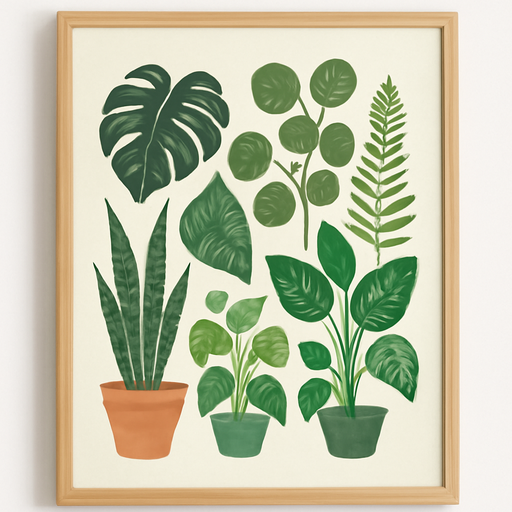
Indoor Plant Wall Art: A Fresh Lens on Living Decor

Indoor Plant Wall Art: Elevate Your Space with Living, Living Art
When a room feels flat, a carefully curated collection of greens arranged as indoor plant wall art can transform it instantly. This trend blends nature-inspired aesthetics with modern design, turning vertical spaces into lush, living galleries. Whether you live in a compact apartment or a sunlit loft, vertical greenery offers a flexible canvas for expression. For those seeking curated inspiration, explore plant-forward prints and nature-inspired pieces at Nature posters, and learn more about the possibilities at Dreamprint.
The idea behind indoor plant wall art is simple: combine plants, planters, and artful arrangement to create a dynamic focal point. Unlike traditional framed artwork, living greenery changes with the seasons, casting different shadows and moods as light moves through the day. This evolving aesthetic makes indoor plant wall art an ongoing project—one you can adapt as tastes shift, pots drain, or new varieties invite themselves into the scene.
Choosing the Right Plants and Structures
Successful indoor plant wall art starts with selecting plants that thrive indoors and suit the space. Look for combinations that share similar light and humidity needs to ensure a long-lasting display. Trailing vines, small succulents, ferns, and air plants can be arranged in modular planters or pocket systems that snap neatly into a wall grid. The right mounting approach matters as much as the greenery itself:
- Living frames: shallow containers mounted on a frame. Easy to swap out plants as seasons change.
- Vertical garden systems: modular panels with built-in irrigation or passive drainage, ideal for larger installations.
- Hanging pockets: fabric or felt pockets suspended from a wall rail to create a soft, tactile collage.
For those who want a low-maintenance option, consider a curated set of hardy indoor plants such as pothos, philodendron, peperomia, and climbing varieties that tolerate lower light. Pair these with decorative pots or fiber-lined vessels to introduce texture and color without overwhelming the eye.
Design Principles for a Cohesive Display
A great piece of indoor plant wall art reads like a well-composed painting: balance, rhythm, and a clear focal point. Here are a few guiding principles to help you craft a space that feels intentional:
- Color harmony: choose plant varieties whose leaf tones complement the room’s palette. Deep greens pair beautifully with warm wood tones and earthy neutrals.
- Texture play: mix smooth leaves with sculptural stems, plus planters with different materials—ceramic, terracotta, woven fibers—to add depth.
- Scale and rhythm: vary pot sizes and plant heights to create a rhythm that guides the eye across the wall.
- Maintenance cadence: design for easy care, with a clear watering and pruning routine to keep the installation vibrant.
If you want a statement that still feels adaptable, anchor your wall with a bold centerpiece—perhaps a lush, arching philodendron or a cascading string of hearts—then build around it with smaller companions. This strategy keeps indoor plant wall art cohesive while allowing the display to evolve over time.
Incorporating Artful Details
The beauty of indoor plant wall art lies not just in the greenery but in how it merges with other decorative elements. Consider pairing the living wall with artwork that references nature, botanical prints, or mineral textures. The juxtaposition of a vibrant living border with a framed illustration can create a layered, gallery-like vibe in any room.
You can also integrate lighting to spotlight the greens during dusk and evening hours. A subtle LED strip along the top edge or small spotlights aimed at key plant clusters will highlight color variation and leaf structure, turning the wall into a kinetic piece of design.
Practical Tips for Installation and Care
Before you begin, map out the wall area and consider access to water if you’re using systems that require irrigation. If you’re new to vertical greenery, start with a compact, modular panel and a limited palette of plants. A little planning goes a long way:
- Measure the wall height and width to determine how many modules you’ll need.
- Use a level and stud finder to ensure sturdy mounting, especially for heavier planters.
- Group plants with similar water needs to simplify maintenance.
- Label each plant’s care requirements so you can rotate or replace them without disrupting the design.
With these practical steps, indoor plant wall art becomes an inviting, low-drama feature that can be refreshed seasonally. It’s a living mural—one that invites attention, conversation, and a touch of whimsy into daily life.
Related Concepts: Biophilic Design and Timeless Trends
The appeal of indoor plant wall art aligns with the broader concept of biophilic design, which emphasizes humans’ connection to nature in built environments. By integrating living elements, you invite natural patterns, color, and texture into interiors, reducing visual fatigue and uplifting mood. Beyond aesthetics, such installations can improve air quality and acoustics in a subtle, enduring way.
While trends shift, the core idea remains enduring: plants offer a living canvas. As you experiment with indoor plant wall art, you may discover teardrop-shaped pothos vines cascading through a metal grid, or a compact fern nestled among ceramic planters that echo the room’s earthy palette. These are the moments that make a space feel curated, calm, and alive.
Concluding Thoughts: A Garden You Can Grow on a Wall
Indoor plant wall art invites creativity and function into a single installation. It is not just decoration; it is an evolving ecosystem that reflects your taste, routines, and the rhythms of the home. Whether you approach it as a bold centerpiece or a delicate, modular arrangement, the result is a living narrative—one that changes with seasons, lighting, and your own evolving preferences.
If you’re seeking curated inspiration and high-quality visuals to accompany your design journey, consider exploring nature-inspired collections and related prints that complement living walls. The conversation between art and greenery is a conversation you can revisit again and again, year after year, with new compositions and combinations that keep the space feeling fresh and personal.